The net is buzzing with its usual mixture of the possible, the potential and the damn-right ridiculous predictions on what Apple will announce later today at its September device event. In the mix has been a number of rumours on what Apple may do in terms of supporting biometrics. Time will tell, but before the event takes place here is a list of some of them with my views on them.
iPhone 7
The most believable is changes to the home button with either a more flushed designed button integrated into the display or removal completely. Most fingerprint sensor designers have been working on integrating a sensor underneath the display (under glass) rather than underneath a coated button and Apple is probably ahead of the curve in its development.
There is a strong possibility that Touch ID on iPhone 7 will be an under the glass sensor (probably still capacitive) and Apple may have had to either reduce the thickness of the glass or develop a recess in the glass to reduce its thickness to ensure that the sensor's performance is not degraded.
The integration under glass may also mean the development of 'Force' Touch ID and could mean that the sensor could improve anti-spoof capabilities by measuring the force of its registered user's touch in addition to the usual matching against stored fingerprint templates.
With Iris being integrated into the Samsung GN7 (unfortunately recalled) there have also been rumours that iris recognition will be supported in this version. It is likely that this will have to wait until at least iPhone 8.
Watch 2
The most reliable rumours on new sensors points to GPS. As my Sony SmartWatch 3 has this feature, I can definitely see that having GPS in a watch definitely makes the device more independent and is a great feature when you out running (According to Google Fit this last occurred in February for me - shocking I know). The partnership between Precise Biometrics, FPC, Gemalto and STMicro in developing a biometric platform for wearables has given us a clear indication that integrating biometric sensors into wearables, for authentication and identity, is viable. Whether Apple sees any merit in doing so is questionable. Payments has been a major driving force for biometrics and for Apple to support a standalone payments app on a smartwatch that replicates the iPhone security environment including the secure enclave is debatable from a business case point of view.
We may see the watch having more independence from a paired iPhone but I would be surprised to see a decoupling in this context. I would say there is an outside chance of a separate biometric (identity) sensor being integrated into Watch 2.
I look forward in hearing what Apple will actually do later today and will follow-up this blog with another one with analysis on anything that is important from a security and identity perspective.
Addendum 09/09: After the official announcements from Apple on iPhone 7 and Watch 2, comments on my predictions. Not a lot of direct announcements on biometrics. However, Apple has changed the home button in creating a solid state version with force features and taptic feedback. There was no clarity on whether there is any changes to Touch ID as a result of this change. As predicted, no support for other modalities including Iris and no Biometrics for the Watch. I am currently researching the mobile biometrics market so keep a watch out for further updates in this area. Thanks. Alan
Showing posts with label fingerprint sensor. Show all posts
Showing posts with label fingerprint sensor. Show all posts
Wednesday, 7 September 2016

Tuesday, 9 February 2016
Top Trends for Biometrics in Financial Services
Biometrics is certainly a technology that is rapidly being adopted by the Financial Services industry and this is not just confined to mobile deployments. Mobile is a growing channel for the delivery of financial services and will start to dominate most financial sectors over the next five years but other channels are still a vital part of any delivery strategy.
This is an important message that I have learnt after spending the second half of 2015 researching how biometrics is becoming an important tool within the security toolbox that can be utilised in the fight against financial fraud and identity theft.
In a series of analyst reports that I authored in 2015 that were published in June, October and December 2015 by Goode Intelligence, I was able to carry out a deep-dive into the adoption of biometric technology in financial services. This included banking, payment and mobile-based biometric services.
In the reports I identified five key trends that are currently shaping this market.
This is an important message that I have learnt after spending the second half of 2015 researching how biometrics is becoming an important tool within the security toolbox that can be utilised in the fight against financial fraud and identity theft.
In a series of analyst reports that I authored in 2015 that were published in June, October and December 2015 by Goode Intelligence, I was able to carry out a deep-dive into the adoption of biometric technology in financial services. This included banking, payment and mobile-based biometric services.
In the reports I identified five key trends that are currently shaping this market.
Bye Bye PINs for ATM Security
ATMs are unattended and when I type in my PIN I am always uber-aware of who is standing behind me in case they may be attempting to steal my PIN. Being a paranoid sort of person I go through a series of checks that includes checking for ATM skimmers or evidence that a camera may be pointing at the keyboard. Banks have installed awareness notices and stuck-on mirrors to help me protect my PIN but it shouldn't have to be like this.
Things are changing and banks are modifying their ATM technology to phase out PINs and to embrace biometrics. There is also choice in the biometric deployment method; a bank can either integrate a biometric sensor into the ATM itself (fingerprint, palm-vein, finger-vein and Iris are being used) to go either cardless (my biometric replaces the plastic) or keep the card (the biometric is stored on the card and a biometric is captured at the ATM and then matched against the stored template on the card). There is also a mobile biometric solution that also replaces the need for a plastic bank card or integration of specialist sensors at the ATM; Hoyos Labs has a neat solution where the mobile device interacts with an ATM using a combination of barcode and mobile biometric authentication technology. And if you like plastic cards then there are solutions as well; a number of vendors, including Zwipe, have integrated a fingerprint sensor into plastic cards to replace PINs. The plastic bank card will only work if the authorised user's fingerprint is first placed on the sensor.
Authenticated Contactless Mobile Payments
One of the more visible success stories for biometric adoption in financial services has been the development of mobile biometric contactless payments. Apple Pay and Samsung Pay both use integrated fingerprint sensors to secure contactless mobile payments in physical locations. The PIN was adding friction to the physical payment experience so you can either forget about user authentication and limit the transaction amount (tap and pay for low value payments) or replace the PIN with a method that doesn't slow down the experience but still adds a level of security.
How to tackle rising levels of Card-Not-Present Fraud?
Technology does reduce fraud. The deployment of EMV chip cards has led to a reduction of fraud at the physical point of sale. This has led criminals to move online and attack commerce channels that the EMV chip cannot protect. The rise of Card-Not-Present (CNP) fraud, especially for eCommerce transactions, and the movement towards mobile commerce has created the need for secure and convenient user authentication and transaction verification. Biometrics offers a viable solution. Expect to see the payment networks start to roll-out mobile-based biometric solutions that aims to tackle the CNP fraud problem and even support in 3D Secure 2.0.
Wearable Payments to support Biometric Authentication
It is early days for wearables; the market is too fragmented and there are too few devices currently being used by consumers. This will change and as more and more apps are developed to support the delivery of financial services to bands and smart watches then the need to validate identity and to protect commerce will become critical. For wearables, it is important to pick a biometric modality that suits the device and the application so expect to see technology such as heart-rate (ECG), behavioral and vascular being integrated into the next generation of wearable devices. Biometrics that can be captured when a device is close to the skin of its wearer. Brainwave for Glass perhaps?
Financial-Grade multi-modal biometric authentication to become de-facto for mobile banking apps
The final trend that I am pulling out of these reports is part of a movement to increase security of mobile-based biometric solutions without adversely effecting convenience and ensuring that financial services providers maintain ownership of identity. The industry needs to ensure that the biometric technology is hard to spoof, that the protocols cannot be compromised and that the vulnerabilities seen in existing 2FA solutions (including replay and man-in-the-middle attacks) are not introduced. And at the same time being easy to use, scalable and fit into existing identity lifecycle management tools (can I revoke a credential?). The use of more than one biometric modality, face and voice for instance, in a banking app can increase security and also provide choice for consumers. A service provider can also match the right biometric modality to the context of the login or transaction attempt; fingerprint may open the app but a challenge using another modality may be needed to send a payment to a new beneficiary.
To conclude; both established financial services organisations, challenger banks and the emerging FinTech providers now understand the importance of choosing the most appropriate user authentication and transaction verification technology that can work across all finance channels and can meet the needs of convenience and security. Biometrics certainly ticks the boxes for convenience with millions of customers around the world paying for products and accessing mobile banking with the touch of the finger or by taking a selfie. A number of biometric platforms are also being introduced that also tick security, regulatory and privacy boxes including IEEE's Biometric Open Protocol Standard (BOPS).
What is exceptional about this market is the sheer scale of deployment that has already taken place and the enormous potential that is yet to come. From millions of Brazilians daily withdrawing cash from biometrically-enabled ATMs, to mobile banking customers accessing their accounts with the touch of a finger or by taking an image of their face, the use of biometrics for financial services is improving security, reducing financial fraud and removing the need for cumbersome authentication solutions that are not fit for purpose in today's hyper-connected world.
To conclude; both established financial services organisations, challenger banks and the emerging FinTech providers now understand the importance of choosing the most appropriate user authentication and transaction verification technology that can work across all finance channels and can meet the needs of convenience and security. Biometrics certainly ticks the boxes for convenience with millions of customers around the world paying for products and accessing mobile banking with the touch of the finger or by taking a selfie. A number of biometric platforms are also being introduced that also tick security, regulatory and privacy boxes including IEEE's Biometric Open Protocol Standard (BOPS).
What is exceptional about this market is the sheer scale of deployment that has already taken place and the enormous potential that is yet to come. From millions of Brazilians daily withdrawing cash from biometrically-enabled ATMs, to mobile banking customers accessing their accounts with the touch of a finger or by taking an image of their face, the use of biometrics for financial services is improving security, reducing financial fraud and removing the need for cumbersome authentication solutions that are not fit for purpose in today's hyper-connected world.
Monday, 19 October 2015
Innovation in Biometrics Enables Alternative Payment Methods
Payments have been the major driving force for the
wide-scale adoption of biometrics in the consumer market. Today, millions of
customers (Goode Intelligence forecast 350 million plus during 2015) are using biometrics on a daily basis
around the world to provide secure convenient user authentication and
transaction authorisation and this theme is set to continue with a forecast of
over three billion users by 2020.
Biometrics for payments is increasingly a vital part of a payment
service providers’ toolkit in the never-ending task of reducing financial fraud
and ensuring that their customers can conveniently prove their identity and
authorise transactions.
The adoption of biometrics for payments is also leading to wide-scale disruption in the payment industry, enabling alternative methods for consumers to pay for goods and services in a variety of payment scenarios. This is not simple replacing one authentication mechanism with another; the finger replacing the PIN. Biometrics is allowing alternative payment methods to be introduced, some of which are being supplied by non-traditional payment service providers.
HYPR Corp has developed a biometric security protocol that provides digital payment platforms, including Bitcoin, with a solution to secure access to their digital payment assets.
One of the core security concerns around Bitcoin and other digital currency platforms is that unlike with credit cards, transactions are irreversible.
HYPR was founded to solve the core fraud problem by providing a definitive answer to the question of “Am I who I say I am?”
HYPR answers the question of “Am I who I say I am?” through a three-factor authentication protocol that creates a biometric authentication bridge between the user and their mobile wallet. The cryptographic algorithm that HYPR uses is the same as the digital signature algorithm that the Bitcoin protocol uses. Because of this similarity, future iterations of the HYPR biometric security platform could be used to biometrically validate Bitcoin transactions.
Another company looking to secure Bitcoin transactions is Nymi with their heartbeat-enabled wearable band. The Nymi band can be used to store a users Bitcoin in a native biometric wallet with the private key tied to a unique ECG biometric signature. I recently demoed the capabilities of the Nymi band at a presentation I gave on the future of biometrics for wearables at the Biometrics 2015 conference in London. I even use the Nymi band to log me into my office computer and have been impressed at how natural it feels to allow me access to my computer.
It is also enabling new ways in which consumers can use traditional payment methods, even cash (still the preferred payment type for many people). Hoyos Labs has developed a smartphone-based biometric authentication solution that aims to reduce the increasing amount of fraud at the ATM, negating the problem of bank card skimming. Their 1U ATM product is a software platform that allows bank customers to access their
accounts via ATMs using biometrics on smartphones. There is no need for cards or
for the customer to enter in a PIN at the ATM as the entire authentication
occurs on the customer’s smartphone.
The Hoyos Labs solution is compatible with existing ATM
platforms and does not need any hardware to be installed on the ATMs.
These are just three examples of how the latest biometric solutions are protecting payments and enabling alternative ways in which we can pay for a wide range of goods and services in a variety of payment scenarios; from Bitcoin to the humble bank note
I explore many more examples of biometric payments, including the rise of the mobile wallet, in an analyst report recently published by Goode Intelligence; "Biometrics for Payments; Payment Security Gets Personal".
Thursday, 5 June 2014
Touch ID - The Cornerstone of Apple's Authentication Framework
This is an extract from an upcoming Goode Intelligence Analyst Report entitled "Mobile & Wearable Biometrics for Authentication Applications"
Apple caught much of the analyst and biometric community by
surprise with the announcement that it was to open up its Touch ID fingerprint
biometric environment to third-parties using an API at its annual developer conference,
WWDC2014, on 1 June 2014.
Apple announced that once iOS 8 launches (possibly September
or October 2014) third party developers will be able to access the Touch ID
environment and leverage the benefits of mobile fingerprint biometrics.
During the presentation given by Apple's SVP Craig Federighi, Apple referenced Touch ID being used to authenticate into a personal financial application called Mint.
Apple’s Touch ID Local
Authentication Framework (LocalAuthentication.framework) will enable
third-party app developers to make use of Touch ID and benefit from its convenient
personal authentication features.
Touch ID has been a great success for Apple; Apple also announced
some stats for its Passcode phone unlock feature at WWDC. 83 percent of users were
turning on the Passcode phone lock feature compared with 49 percent of general
iOS users. That equates to millions more iOS devices being protected against
unauthorised access and a great deterrent to theft.
Apple has been steadily building up its product and software
portfolio to offer a wide range of connected services and it appears that they
intend to use Touch ID as the foundation for identity verification on the Apple
ecosystem.
I believe that Touch ID will be used to authenticate in the
following scenarios (some of these are available now and some are predictions):
- To replace the PIN for Passcode (device unlock)
- To provide authentication for Apple ID (iTunes purchases)
- To verify identity for an Apple payments product (both for online and physical store purchases)
- To provide authentication for Apple’s CarPlay in-car service
- To verify identity for Apple’s mobile healthcare solution “Healthkit”
- To provide authentication for Apple’s connected home solution “Homekit"
- This includes the ‘Secure Pairing’ feature where only authorised users can unlock a home door or change the temperature of a room via a smart thermostat
Apple’s vision is to merge the logical and physical worlds
using an iDevice (iPhone, iPad or even iWatch) as the smart controller with
Touch ID providing convenient biometric authentication for this uber connected
world.
Wednesday, 16 April 2014
The Samsung Galaxy S5 fingerprint sensor has been spoofed - what can be done to prevent it
With the recent news that researchers from SR Labs in Germany have successfully fooled (spoofed) the Samsung Galaxy S5's integrated fingerprint sensor; allowing unauthorised access to the device and the ability to make payments using the PayPal app, there are questions as to how secure fingerprint biometrics are for authentication. These questions are justified.
An authentication solution can be convenient but it must also be secure.
A fingerprint biometric can be more convenient than using a PIN or password especially on a mobile phone. By touching or swiping a finger over a sensor a person can quickly unlock a device, gain access to an account or make a payment. However, if the sensor can be easily fooled than the solution is fundamentally flawed.
The key point in my last sentence was "easily fooled". Attacks on fingerprint biometric systems are relatively difficult to carry out. As Marc Rogers from Lookout Mobile Security pointed out in his blog from last year - "Why I hacked Apple's Touch ID and still think its awesome" - an attacker needs access to the device and then use a lot of kit to physically create the fake fingerprint. As Rogers stated this can be "tricky" and probably not within the reach of your average street thief. However, with the right equipment and a little ingenuity it can be done.
So what can be done to ensure we benefit from the convenience of biometric authentication on mobile devices but also have a level of assurance that the solution is difficult to spoof and attack?
One solution is to improve the anti-spoofing solutions within the biometric system. NexID Biometrics develops spoof mitigation and liveness detection solutions including its Mobile Live Finger Detection (LFD) software. The company claims that the solution can help ensure that the fingerprint system is not spoofed and states that authentication accuracy is as high as 94-97 percent.
I spoke with NexID Biometrics' COO, Mark Cornett, to get his views on this and he said; "While Apple validated the convenience of fingerprint authentication on mobile devices, the spoof of the iPhone 5S should have sent a signal to other device manufacturers that while providing users with convenient authentication, the current level of security is vulnerable to spoofing. The layers of security for unlocking mobile devices and their applications needs to be stronger to properly meet the needs of users, and facilitators of mobile commerce and BYOD policies. Now that the two largest distributors of mobile devices in the world have had their solutions spoofed, they will hopefully add liveness detection solutions to mitigate this vulnerability and thereby instil confidence in the use of mobile device fingerprint authentication."
As well as anti-spoofing and liveness detection solutions there are other tools that can be deployed to improve the security of these emerging authentication solutions. This include combining biometric authentication with other factors as part of a multi-factor authentication solution - especially useful for step-up verification where a highly level of user assurance is required.
I am a big fan of behavioural, or gesture, biometrics where the device learns about how a specific user engages with their mobile device to create a profile that can be used as part of a risk-based authentication solution. By combining behavioural biometrics with fingerprint authentication a greater level of trust in who is actually using the device can be created. And when an unauthorised user attempts to spoof the system by using a gummy bear or wood glue mould then the authentication service can request for another level of authentication to ensure that it is the valid owner of the phone and service. The link between the end user authentication client and cloud-based risk-based (anti-fraud) solutions, especially in financial services, cannot be underestimated.
There are ways in which you can improve the security of mobile-based biometric authentication solutions and deter the type of spoofing attack that has been witnessed with the Samsung Galaxy S5 - I have just touched the surface in what is possible.
However, an enhancement to the security of the biometric solution should not come at the expense of convenience and usability.
Mobile device manufacturers and service providers are turning to biometrics because they can enhance the usability of the authentication experience - this must not be altered.
An authentication solution can be convenient but it must also be secure.
A fingerprint biometric can be more convenient than using a PIN or password especially on a mobile phone. By touching or swiping a finger over a sensor a person can quickly unlock a device, gain access to an account or make a payment. However, if the sensor can be easily fooled than the solution is fundamentally flawed.
The key point in my last sentence was "easily fooled". Attacks on fingerprint biometric systems are relatively difficult to carry out. As Marc Rogers from Lookout Mobile Security pointed out in his blog from last year - "Why I hacked Apple's Touch ID and still think its awesome" - an attacker needs access to the device and then use a lot of kit to physically create the fake fingerprint. As Rogers stated this can be "tricky" and probably not within the reach of your average street thief. However, with the right equipment and a little ingenuity it can be done.
So what can be done to ensure we benefit from the convenience of biometric authentication on mobile devices but also have a level of assurance that the solution is difficult to spoof and attack?
One solution is to improve the anti-spoofing solutions within the biometric system. NexID Biometrics develops spoof mitigation and liveness detection solutions including its Mobile Live Finger Detection (LFD) software. The company claims that the solution can help ensure that the fingerprint system is not spoofed and states that authentication accuracy is as high as 94-97 percent.
I spoke with NexID Biometrics' COO, Mark Cornett, to get his views on this and he said; "While Apple validated the convenience of fingerprint authentication on mobile devices, the spoof of the iPhone 5S should have sent a signal to other device manufacturers that while providing users with convenient authentication, the current level of security is vulnerable to spoofing. The layers of security for unlocking mobile devices and their applications needs to be stronger to properly meet the needs of users, and facilitators of mobile commerce and BYOD policies. Now that the two largest distributors of mobile devices in the world have had their solutions spoofed, they will hopefully add liveness detection solutions to mitigate this vulnerability and thereby instil confidence in the use of mobile device fingerprint authentication."
As well as anti-spoofing and liveness detection solutions there are other tools that can be deployed to improve the security of these emerging authentication solutions. This include combining biometric authentication with other factors as part of a multi-factor authentication solution - especially useful for step-up verification where a highly level of user assurance is required.
I am a big fan of behavioural, or gesture, biometrics where the device learns about how a specific user engages with their mobile device to create a profile that can be used as part of a risk-based authentication solution. By combining behavioural biometrics with fingerprint authentication a greater level of trust in who is actually using the device can be created. And when an unauthorised user attempts to spoof the system by using a gummy bear or wood glue mould then the authentication service can request for another level of authentication to ensure that it is the valid owner of the phone and service. The link between the end user authentication client and cloud-based risk-based (anti-fraud) solutions, especially in financial services, cannot be underestimated.
There are ways in which you can improve the security of mobile-based biometric authentication solutions and deter the type of spoofing attack that has been witnessed with the Samsung Galaxy S5 - I have just touched the surface in what is possible.
However, an enhancement to the security of the biometric solution should not come at the expense of convenience and usability.
Mobile device manufacturers and service providers are turning to biometrics because they can enhance the usability of the authentication experience - this must not be altered.
Wednesday, 26 February 2014
Samsung leads the way in mobile biometrics with the Samsung Galaxy S5
In an announcement to a packed auditorium at Mobile World
Congress 2014 on the evening of the 24 February 2014, Samsung launched their
latest flagship Galaxy smartphone, the S5, containing an integrated fingerprint
sensor.

We still need more information on the specifics of how the
sensor will operate and interact with the associated services but this is what we know.
The S5 fingerprint sensor is a swipe located on the front of the device underneath the physical home
button.
In a promising move from Samsung, they have initially linked
the sensor to four consumer and enterprise services that include:
- Phone unlock
- Private Mode protection. To protect important documents contained in a secure vault
- Mobile payments via the pre-installed PayPal app
- As part of a multifactor authentication (MFA) solution (Fingerprint + Password) for Knox 2.0 authentication
The mobile payments app is provided by PayPal who have been working on the development of the supporting ecosystem for a number of years. By leveraging a combination of hardware and software services that include:
- Integrated fingerprint sensor
- Hardware security environment provided by TrustZone (Secure Element, SE and Trusted Execution Zone, TEE)
- Secure authentication protocol and infrastructure (mobile client and server) as part of FIDO Alliance OSTP and commercialised by Nok Nok Labs
- Merchant service infrastructure to support PayPal mobile payments
Hill Ferguson, chief product officer, PayPal, commented on the development; "By working with Samsung to leverage fingerprint authentication technology on their new Galaxy S5, we are able to demonstrate that consumers don't need to face a tradeoff between security and convenience."
The fingerprint template is securely stored within the SE
and is protected by ARM’s TrustZone environment. This makes it difficult to
access or tamper with the biometric template and also allays privacy concerns
of having to store a fingerprint in a networked database.
This is extremely positive news for the whole industry.
This is an extract from an analysis of the Samsung S5 found in a Goode Intelligence Market Intelligence report (Fingerprint Biometrics Market Intelligence third edition)
Tuesday, 21 January 2014
From Swipe to Touch to Invisible Touch - The Evolution of Fingerprint Sensors in Smart Mobile Devices
From Swipe to Touch to Invisible Touch - The Evolution of Fingerprint Sensors in Smart Mobile Devices

Readers of a certain age will possibly remember Genesis, the English prog-rock band that featured first Peter Gabriel and then Phil Collins on vocals. In the 1980s they released a rather poor 13th album called ‘Invisible Touch’. Little did they know that we would use that title in a rather obscure pun in an article on the evolution of fingerprint sensors in smart mobile devices (SMD) – the album cover is rather relevant though! And if you hear ‘Invisible Touch’ wafting over the speakers
at a product launch at MWC 2014 – you know where they got their idea from.
This blog explores the evolution of fingerprint sensors designed for consumer electronic devices including smart mobile devices; from swipe to touch to ‘invisible touch'. This blog first appeared in the January 2014 edition of the Goode Intelligence Market Intelligence publication; "Fingerprint Biometrics Market Intelligence" (published 28 January 2014).
Smartphone OEMs rush to embed fingerprint sensors
Despite the intense media attention that accompanied Apple’s
launch of Touch ID embedded fingerprint sensors on mobile phones have been
around since 1998. Ever since Siemens
developed its prototype device back in 1998 there has been steady stream of handsets being biometric-enabled.
Fingerprint sensors
are becoming a common-feature of flagship smartphones with an increasing number
of mobile device OEMs joining Apple in launching high-end devices during the
latter part of 2013. This included HTC, Fujitsu and Pantech. So far, all these
Android-based devices have used swipe fingerprint sensors, sourced from either Fingerprint Cards (FPC) or Validity Sensors. For these android
devices, the sensor is being located on the rear of the smartphone (see image
of HTC One max below).
HTC One max (with Validity swipe sensor located
underneath rear camera)

Apple Touch ID - leader for smartphone touch sensor
Apple is so far the
only mobile device OEM to have launched a device with an embedded Touch
Capacitive sensor (shown below). The sensor uses capacitive touch technology to
take a high resolution (500 pixels per inch or ppi) from small sections of a
fingerprint (from the subepidermal layers of the skin).

Source: Apple
There are advantages in
using a touch sensor over a swipe sensor on a mobile device:
- The user experience is usually superior
- Greater accuracy; there appears to be fewer failures as the finger is better positioned for touch. For swipe, the finger has to be swiped accurately over the sensor to ensure that the fingerprint is read correctly. On some smartphone implementations, especially on larger devices (phablets), the location of the sensor on the rear of the device makes this difficult when holding the device with one hand
- The sensor can be built into a hard button on the front of the mobile device, e.g. home/power button
Non-Apple smartphones - first swipe then touch
Goode Intelligence
believes that for the first quarter of 2014 a number of Tier 1 mobile device
OEMs will launch flagship models that incorporate a swipe sensor. This will
include further HTC models and releases from LG, Lenovo and Samsung (Samsung
may want to launch with a touch sensor to match the user experience of Apple’s
Touch ID).
The three remaining fingerprint
sensor manufacturers who can supply to the mobile device industry, Fingerprint
Cards, Idex and Validity Sensors (part of Synaptics) are all in the process of
commercialising their versions of the mobile-ready touch sensor.
Fingerprint Cards is
probably in a more advanced state of commercialisation and has gone on record
to say that their touch sensor (FPC1020) has been sold
to a “Tier 1 OEM” for a “flagship smartphone with a targeted launch date in the
summer of 2014”[1]
Idex and Validity will
follow FPC in launching their own touch sensors during 2014 and GI expects to
see them appear in smart mobile devices and other consumer electronic devices.
Next generation consumer fingerprint sensors - Invisible Touch
The third stage to the
evolution of mobile device-based fingerprint sensors is driven by the need for greater
user convenience combined with a trend to remove physical buttons from smart
mobile devices. Partly as a result of the reduction of the bezel-size and driven
by the trend for larger touch screen sizes.
The elimination of
physical buttons creates a problem for component suppliers including
fingerprint sensor manufacturers as it removes an obvious place to position the
sensor. It also provides them with an opportunity for new markets for their
products.
The positioning of the
fingerprint sensor underneath, or within the touch screen, is the next stage in
the evolution of consumer fingerprint biometrics and enables mobile device OEMs
to remove physical buttons. It also ensures that the convenience of identification,
touching a finger on the front of a mobile device, is maintained.
GI believes that all
of the fingerprint sensor manufacturers currently operating in the consumer and
mobile space are well advanced in their research and development efforts to
make this a reality:
- Idex released this video after demonstrating a proof-of-concept device that placed the fingerprint sensor within the touch screen display
- Validity Sensors is now part of Synaptics who are one of the world’s largest suppliers of touchscreen technology. Synaptics are also developing fingerprint sensors built into the touchpads that are embedded into laptops and notebooks
- FPC has demoed demoed touch sensor capabilities with Windows for integration into Windows 8 (8.1) products and also works with CrucialTec, manufacturer of the optical TrackPad (OTP)
This includes Apple
and the resources that were integrated as a result of the AuthenTec acquisition.
‘Invisible Touch’ is not
only suitable for smart mobile devices; any consumer electronic device that
uses a screen has the potential to integrate a touch fingerprint under or
within the screen. This could include smart TVs, single-use gaming handhelds,
tablets, touchscreen monitors, hybrid notebooks and touchscreens integrated
into domestic appliances and smart house control technology. Whether anybody
would want to authenticate using their fingerprint for their fridge is
debatable (although perhaps if you wanted to stop a young child from turning on
an oven or keeping your teenager out of your wine cooler?).
This is a potentially
huge market and is part of the wider Consumerisation of biometrics that will
revolutionise how we interact with technology.
This opportunity will be explored in an upcoming analyst report published by Goode Intelligence; "Emerging Markets for Fingerprint Biometrics".
[1]
FPC wins first 1020 touch sensor DW from Global Tier 1 OEM for their flagship
smartphone. 20 December 2013: http://www.fingerprints.com/blog/2013/12/20/fpc-wins-first-1020-touch-sensor-dw-from-global-tier-1-oem-for-their-flagship-smartphone/
Wednesday, 6 November 2013
Bring Your Own Finger - The Consumerisation of Biometrics on Mobile Devices
Firstly, let me apologise for jumping on the BYO bandwagon. I did grimace a bit when writing it but in a way it is rather apt. Biometrics are always with you and you do bring them with you; to the shops, to work, when travelling.....
That's what makes them a very attractive proposition for identification purposes. With the ever-growing list of super-long passwords that we are required to use for an increasingly long list of digital services, the search for an agile method for securely identifying people has been the Holy Grail for some time. Link that with the move towards accessing digital services on mobile devices and you have a situation that creates a perfect environment for easy-to-use, convenient, authentication and identity verification services.
Without even considering the rush by mobile manufacturers to embed fingerprint sensors into their latest smart mobile devices, mobile devices have many sensors that can be leveraged for biometric identification purposes. Cameras (front and rear with the support to capture HD video, high quality microphones, accelerometers for behavioural biometrics etc.
In my latest report for Goode Intelligence, "Mobile Biometric Security - Market Forecast Report 2013-2018", I have revised the forecasts from the original report, published in June 2011, to take into consideration the rapidly changing landscape. My research into this sector has discovered that in the last two years the following factors has created an environment that will create a market that is worth US$8.3 billion by 2018:
The Consumerisation of Biometrics: Apple has changed everything and has again disrupted a market and rebranded biometrics as a convenient method of communicating with consumer technology. Previously, Biometrics has largely been associated with high-end security; border control, national ID solutions and for providing access control for high-security buildings. This has all changed with the Apple iPhone 5s and Touch ID
Convenient mobile device protection: Existing
mobile device authentication is cumbersome and inconvenient. This means that many devices are left with no
protection. Replacing a PIN or Passcode with an easy-to-use biometric can
reduce this burden
That's what makes them a very attractive proposition for identification purposes. With the ever-growing list of super-long passwords that we are required to use for an increasingly long list of digital services, the search for an agile method for securely identifying people has been the Holy Grail for some time. Link that with the move towards accessing digital services on mobile devices and you have a situation that creates a perfect environment for easy-to-use, convenient, authentication and identity verification services.
Without even considering the rush by mobile manufacturers to embed fingerprint sensors into their latest smart mobile devices, mobile devices have many sensors that can be leveraged for biometric identification purposes. Cameras (front and rear with the support to capture HD video, high quality microphones, accelerometers for behavioural biometrics etc.
In my latest report for Goode Intelligence, "Mobile Biometric Security - Market Forecast Report 2013-2018", I have revised the forecasts from the original report, published in June 2011, to take into consideration the rapidly changing landscape. My research into this sector has discovered that in the last two years the following factors has created an environment that will create a market that is worth US$8.3 billion by 2018:
The Consumerisation of Biometrics: Apple has changed everything and has again disrupted a market and rebranded biometrics as a convenient method of communicating with consumer technology. Previously, Biometrics has largely been associated with high-end security; border control, national ID solutions and for providing access control for high-security buildings. This has all changed with the Apple iPhone 5s and Touch ID
Mobile Commerce: Mobile devices have become the prime method of carrying out digital
commerce yet identity verification and payment authorisation has not yet been
updated to match this form factor. Biometrics can offer a convenient and secure
method to prove identity and to authorise payments
As part of a multi-factor authentication solution: Most of the major authentication vendors support, or
have plans to support, biometrics in their authentication products. This will be
supported by authentication standards initiatives such as the FIDO Alliance
that will enable biometrics to be easily utilised, when available, on mobile
devices
Mobile devices are getting more secure: Apple’s Touch ID fingerprint solution makes use of a ‘secure vault’ to
ensure that the fingerprint templates are stored in a secure area of the
hardware. It is thought that Apple is leveraging ARM’s TrustZone, a hardware-security
environment for secure storage and trusted execution. Security services are
being built into all mobile platforms to counteract malware and to protect
sensitive information and transactions. Complimentary services such as Mobile
Device Management (MDM), Secure Containers and Mobile Application Management
(MAM) create a trusted platform to support biometric security on consumer
mobile devices
Wednesday, 11 September 2013
iPhone 5S Touch ID - What Apple announced (how much did I get right)
AT 10am EDT yesterday (10/09/2013) Apple held their latest event to announce two new iPhones (iPhone 5S and iPhone 5C) and the latest version of iOS (iOS 7). The event coincided with my attendance at a school information meeting. I thought it wise not to follow Twitter on how the event was progressing even though I was itching to find out whether the fingerprint sensor had made it to the phone - besides, the school hall has awful mobile reception.
The previous day (09/09/2013) I wrote a blog making predictions on how Apple would utilise the fingerprint sensor. So how did I do?
First, let's take a look at what Apple announced yesterday.
What Apple Announced?
Along with a faster processor and the next version of iOs (iOS 7) Apple announced the fruits of their AuthenTec acquisition, Touch ID - "a new fingerprint identity sensor". In other words an optical fingerprint sensor embedded underneath the Home button of the iPhone 5S.
In a video released to coincide with the announcement, Apple's chief design guru, Jony Ive, emphasises that Touch ID is more about convenience than security by saying that it "enhances the user's experience" and "is the next step in using your iPhone" as well as "protecting all of the information" held on the phone.
Touch ID will have two functions at lauch:
How does it work?
Once a user has enrolled (a user can enrol a single or multiple fingers) with Touch ID they can then replace the Passcode to unlock a locked device with the touch of their enrolled finger(s). One of the issues of previous smartphones with embedded fingerprint sensors (including the Atrix 4G) was a lack of other supporting functionality outside of the unlock phone feature. Apple have taken a positive step forwards by also allowing the fingerprint to provide authentication for iTunes payments - replacing the Apple ID password with the fingerprint. Is this the entry point (or pilot) for Apple's fingerprint-authenticated mPayments and will Apple store payments come next?
Technology
As with any embedded fingerprint sensor the service is a combination of hardware and software. The new Home button is made from sapphire crystal that both protects the sensor and acts as a lens to enhance the fingerprint. A steel ring has been inserted surrounding the button that detects the finger and wakes up the sensor (probably saves the battery). The optical sensor takes a high resolution image of the print (taken from the subepidermal surface of the skin to counteract damaged and ageing epidermi). The captured image is then compared with the stored template that was captured during the enrolment process.
Is it secure?
Based on these figures I am estimating over 20 million iPhone 5S units will be sold around the world by the end of Christmas 2013 - that's a lot of fingerprint sensors. That's more mobile fingerprint sensors than AuthenTec had shipped before being sold to Apple.
Back in 2011 I forecast that there would be 19.4 million mobile devices shipping with embedded fingerprint sensors by 2015. Apple are probably going to blow that forecast in a single quarter.
As a result of this momentous news for the biometrics industry I am going to revise the forecasts from 2011 and publish these in the coming weeks. I feel that Touch ID will have a direct impact on the biometrics industry in general and in particular the mobile biometrics industry. Other mobile phone manufacturers will probably follow-suit with similar solutions, not just fingerprint. Apple also acquired a lot of fingerprint IP when they purchased AuthenTec. This may well restrict what other mobile device ODMs can do with embedded fingerprint sensors.
One this is for certain, the Apple announcement yesterday will propel biometrics into the mainstream. This knock-on effect will not just be for fingerprint sensors but for many other modalities including voice, facial, eye (iris and retina) and other emerging ones such as heart rhythm and behaviour. Linked to attempts to standardise authentication and identity verification (notably The FIDO Alliance) and the movement of identity services to the cloud will bring about a revolution in how we authenticate and identify ourselves for digital services across multiple endpoints (Remember the smart phone is part of a constantly evolving cycle of technology innovation and we are at the beginning of the start of another one - wearable computing).
It is certainly an exciting time for those of us that work in the security and authentication industries.
Alan Goode - September 11 2013
The previous day (09/09/2013) I wrote a blog making predictions on how Apple would utilise the fingerprint sensor. So how did I do?
First, let's take a look at what Apple announced yesterday.
What Apple Announced?
 |
| Source: Apple |
In a video released to coincide with the announcement, Apple's chief design guru, Jony Ive, emphasises that Touch ID is more about convenience than security by saying that it "enhances the user's experience" and "is the next step in using your iPhone" as well as "protecting all of the information" held on the phone.
Touch ID will have two functions at lauch:
- Unlock the phone (iPhone Passcode replacement)
- Authenticate into iTunes (Apple ID Passcode replacement)
How does it work?
Once a user has enrolled (a user can enrol a single or multiple fingers) with Touch ID they can then replace the Passcode to unlock a locked device with the touch of their enrolled finger(s). One of the issues of previous smartphones with embedded fingerprint sensors (including the Atrix 4G) was a lack of other supporting functionality outside of the unlock phone feature. Apple have taken a positive step forwards by also allowing the fingerprint to provide authentication for iTunes payments - replacing the Apple ID password with the fingerprint. Is this the entry point (or pilot) for Apple's fingerprint-authenticated mPayments and will Apple store payments come next?
Technology
As with any embedded fingerprint sensor the service is a combination of hardware and software. The new Home button is made from sapphire crystal that both protects the sensor and acts as a lens to enhance the fingerprint. A steel ring has been inserted surrounding the button that detects the finger and wakes up the sensor (probably saves the battery). The optical sensor takes a high resolution image of the print (taken from the subepidermal surface of the skin to counteract damaged and ageing epidermi). The captured image is then compared with the stored template that was captured during the enrolment process.
Is it secure?
According to Apple, all fingerprint information is encrypted and stored securely in a 'Secure Enclave' on the new A7 chip. Details of this process have not yet been released but I am guessing that a unique key is used for this encryption. There is also mention on whether the hardware protecting the template is FIPS 140-2 compliant.
Dan Riccio, SVP, Hardware Engineering, Apple, has stated that the template is "never accessible by other software, never stored on Apple's servers or backed up to the iCloud". Expect to see these these claims coming under the microscopes of security researchers eager to test out this latest piece of security kit.
No security is 100% secure and optical fingerprint sensors are no exception. There have been a number of well-documented replay and relay attacks on sensors that can circumvent the security or the security process that supports the sensor. I am pretty sure that Touch ID will be successfully targeted and we will see the tech and national press quick to highlight the security failings of Apple's flagship iPhone. The question is whether these attacks can be replicated by the average thief (hundreds of iPhones are stolen on a daily basis). Are we also going to see phone thieves force their users to unlock their devices with their fingerprints or even chop off a finger, as Lookout Mobile Security's Marc Rogers suggests in this interview with the Mirror newspaper. Possibly, but it will be tricky for a violent thief to do this as which finger has the user enrolled? However, if this does happen than it could end up being a PR disaster for Apple.
It is also interesting to hear Apple emphasise features such as convenience and user convenience, not security or theft deterrence. If Touch ID is accurate and speedy, iPhone unlocks and iTunes transactions will be performed at a faster rate than those performed by password-verification.
Did I get my predictions right?
Yesterday I predicted that:
- Apple would release an iPhone with an embedded fingerprint sensor contained in the home button
- The main uses of the fingerprint sensor would be:
- To protect the device (phone unlock)
- Link to iTunes for authentication
- Enable mobile payments using the iTunes account at Apple stores
- It wont be opened up to third party developers at launch
4 out of 5 isn't bad and I feel that if there is a positive reception from iPhone 5S users to Touch ID then Apple will look to other services being included in the service and one of these will be mPayments at physical stores.
I am also confident that we will see this technology embedded within other Apple devices including both the iPad and the iPad mini.
How many iPhone 5S's will Apple sell and what does it mean for the mobile biometric market?
There is a feeling that the lower-priced iPhone 5C will sell more than the Touch-ID equipped 5S but how many units will Apple shift? On its launch last year the iPhone 5 sold more than 5 million units in its first weekend. The last official figures from Apple for Q3 2013 stated that 31.2 million iPhone were sold around the world (that's going to be mixture of 4's, 4S's and 5's).Based on these figures I am estimating over 20 million iPhone 5S units will be sold around the world by the end of Christmas 2013 - that's a lot of fingerprint sensors. That's more mobile fingerprint sensors than AuthenTec had shipped before being sold to Apple.
Back in 2011 I forecast that there would be 19.4 million mobile devices shipping with embedded fingerprint sensors by 2015. Apple are probably going to blow that forecast in a single quarter.
As a result of this momentous news for the biometrics industry I am going to revise the forecasts from 2011 and publish these in the coming weeks. I feel that Touch ID will have a direct impact on the biometrics industry in general and in particular the mobile biometrics industry. Other mobile phone manufacturers will probably follow-suit with similar solutions, not just fingerprint. Apple also acquired a lot of fingerprint IP when they purchased AuthenTec. This may well restrict what other mobile device ODMs can do with embedded fingerprint sensors.
One this is for certain, the Apple announcement yesterday will propel biometrics into the mainstream. This knock-on effect will not just be for fingerprint sensors but for many other modalities including voice, facial, eye (iris and retina) and other emerging ones such as heart rhythm and behaviour. Linked to attempts to standardise authentication and identity verification (notably The FIDO Alliance) and the movement of identity services to the cloud will bring about a revolution in how we authenticate and identify ourselves for digital services across multiple endpoints (Remember the smart phone is part of a constantly evolving cycle of technology innovation and we are at the beginning of the start of another one - wearable computing).
It is certainly an exciting time for those of us that work in the security and authentication industries.
Alan Goode - September 11 2013
Monday, 9 September 2013
iPhone 5S Fingerprint Sensor: What I think Apple will do with it - it's not just about security!
I am writing this blog a day before Apple's September 10 event where it has been widely predicted by journalists and analysts alike that Apple will launch the next generation iPhone with an embedded fingerprint sensor (EFS).
So how will Apple use the fingerprint sensor?
I have been covering this market for many years now (Goode Intelligence published a report in June 2011 investigating the market for mobile biometrics) and spoke with the team at AuthenTec (Fingerprint Sensor manufacturer) before they were acquired by Apple.
I am currently working on a number of projects for Goode Intelligence that cover this market, a report investigating the market for mobile authentication and identity verification that covers biometrics and a report taking a look at the security of wearable technology and how it can be used for authentication purposes.
As part of this research I have talked to many biometric technology vendors, including fingerprint sensor manufacturers, buoyed by Apple's potential move in this area. All of them indicate that Apple will tomorrow launch an iPhone with a fingerprint sensor. I share this prediction - it may come back to haunt me tomorrow when we see an iPhone with no sensor - perhaps its an iWatch with a fingerprint sensor!
I predict that Apple could make use of the embedded fingerprint sensor (probably an optical EFS) in the following ways:
Protect the device
My last smartphone was an Android-powered Motorola Atrix 4G - I think I may have been one of the few owners in the UK. It was not a bad smartphone, OK it ran a pretty old version of Android but I could live with that because it had an embedded fingerprint sensor integrated into the rear of the phone doubling up as a power button (see below) - sound familiar? What I loved about this phone was the ability to unlock the device by using the fingerprint sensor (supplied by AuthenTec).
After a pretty simple enrolment process I could use a fingerprint swipe to unlock the device and in approximately 90% of occasions it worked first time. I regularly travel into London, commuting on public trains and tubes and by swiping the sensor with an enrolled finger I could avoid any potential passcode shoulder surfing - a real deterrent against theft.
What I didn't like about this phone, and this is a lesson for any ODM thinking of embedding a biometric sensor into a phone, was the lack of a supporting ecosystem. By using the lock feature, I could conveniently protect my phone from unauthorised use but little else. Motorola, and this is the same mistake made by other fingerprint sensor manufacturers who have sold to laptop and netbook OEMs, didn't create the supporting ecosystem (APIs or SDKs) that could be utilised by other stakeholders, such as third-party app developers and service providers. No one, outside of Motorola, could utilise the benefits of the sensor.
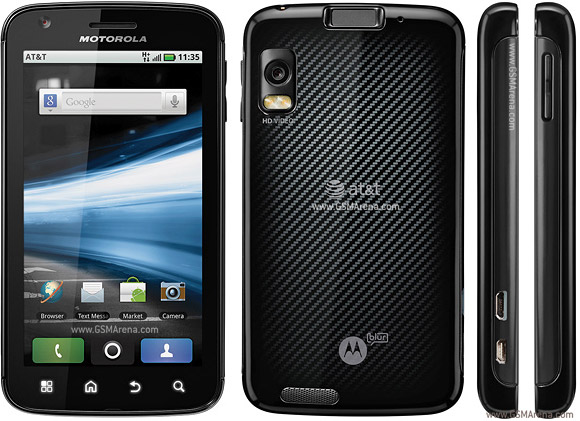
So enough about Motorola, let us turn to Apple. I believe that Apple will launch with a fingerprint-enabled unlock feature on the iPhone 5S users. To protect this device in a similar manner to the Atrix 4G by unlocking the iPhone by use of an enrolled finger swiping on pressing the iPhone home button. The iPhone 5S stroke - coming to a train near you soon!
eCommerce
The second feature that I feel will be fingerprint-enabled from tomorrow will be the ability to use a fingerprint in iPhone initiated eCommerce transactions. The iPhone as a payment method. Perhaps without needing NFC (for now anyway).
Apple has become not only a successful computer manufacturer but a very important retailer of digital media. Earlier this year (June 2013), Apple CEO, Tim Cook, announced the there were 575 million registered iTunes accounts around the world. Accounts do not equate to unique users but even so we must be talking of half a billion people who are iTunes users and who have registered their credit cards with Apple.
These 575 million iTunes accounts have downloaded a total of 50 billion apps from the app store and paid for billions of dollars of digital content including films, music and books. According to CNNMoney iTunes generated $12.9 billion in 2012. These figures detail the importance of Apple as a very successful retailer, both on-line and physical (There are a reported 413 physical Apple stores located in 14 countries).
Like any successful retailer Apple will suffer from financial fraud and there have been reports of fraud affecting Apple iTunes. By adding the requirement for a second factor (what you are - your fingerprint) in combination of what you have (the iPhone), fraud surrounding iTunes transactions (for iPhone 5S users) could be significantly reduced.
Fingerprints could also be used to protect Apple's wallet service, Passbook. Apple's vision is to have Passbook as a secure wallet service that contains valuable digital files, boarding passes, loyalty cards, event tickets and retail coupons. A convenient and secure method to protect this valuable information would be to fingerprint-enable Passbook.
Passbook may also be turned into a payment tool. I predict that we will see Passbook being used as a mPayment tool with the user's fingerprint being used to unlock the wallet and then to authenticate transactions. Initially I believe that this will be used (think of it as a pilot) in Apple stores. It could work like this. I am browsing in my local Apple store and I would like to purchase a new MacBook Air. I take my iPhone 5S out, open up the Passbook app and authenticate using my fingerprint. I choose the payment feature and this activates the barcode scanner. I scan in the barcode for the Air and press the 'Buy' button. It asks me to verify my identity and I scan my fingerprint (possibly also entering in my Apple ID passcode, although this may be a bit clunky for a physical store). It verifies me as the account holder and then initiates the transaction (checks whether I have the funds and goes through the fraud management system). Happily for me, and for Apple, I pass all the checks and it sends down a receipt to the phone (contained in the protected Passbook). The receipt could contain a barcode that a retail assistant could check before handing over my lovely shiny new gadget. It could work - quick, convenient and pretty secure.
Will it be open?
In conversations I have with technology vendors working in this space I am always asked my opinion on whether Apple will open up the sensor for third-party use (The authentication vendors may be secretly scared of having their business model disrupted by Apple - not the first and definitely not the last). My answer is a qualified no. Apple's history has been to keep its technology within its garden walls and not to open it up. I believe that any low-level authentication SDKs and APIs that directly call the sensor will be shut off from third-party access. It may wish to add some high-level functions to its iOS development library that make use of the sensor for payment and in-app billing features but, at least for the short-term, I would be surprised that they open it up to authentication vendors.
What may happen is a replication of a trend that we are seeing for consumer end-user authentication. The quasi-federated model where a large, trusted, internet service will provide authentication services on behalf of a third-party service provider. For instance, I can choose to authenticate into my Spotify account using my Facebook ID. Facebook have become the broker for my identity (This also includes Google). Apple could offer a similar sort of service using the fingerprint sensor as part of the response to the challenge. Widen its network, gather vital user intelligence and increase its sphere of influence through identity verification services.
To sum up
I know we have been here before (NFC), but I believe that a piece of security kit that has been hidden away in high-security buildings and been collecting dust on laptops around the world will get the Apple magic tomorrow and Apple will make it work. It is being driven by a combination of convenient security and a desire for Apple to benefit from half a billion credit card owners by enabling iPhone initiated payments at physical stores.
This will have a direct impact on the biometric industry and will propel biometrics into the mainstream.
I welcome any feedback from this blog (including typos and factual corrections).
Disclaimer: This is my personal viewpoint and does not reflect those of my employer, Goode Intelligence.
So how will Apple use the fingerprint sensor?
I have been covering this market for many years now (Goode Intelligence published a report in June 2011 investigating the market for mobile biometrics) and spoke with the team at AuthenTec (Fingerprint Sensor manufacturer) before they were acquired by Apple.
I am currently working on a number of projects for Goode Intelligence that cover this market, a report investigating the market for mobile authentication and identity verification that covers biometrics and a report taking a look at the security of wearable technology and how it can be used for authentication purposes.
As part of this research I have talked to many biometric technology vendors, including fingerprint sensor manufacturers, buoyed by Apple's potential move in this area. All of them indicate that Apple will tomorrow launch an iPhone with a fingerprint sensor. I share this prediction - it may come back to haunt me tomorrow when we see an iPhone with no sensor - perhaps its an iWatch with a fingerprint sensor!
I predict that Apple could make use of the embedded fingerprint sensor (probably an optical EFS) in the following ways:
Protect the device
My last smartphone was an Android-powered Motorola Atrix 4G - I think I may have been one of the few owners in the UK. It was not a bad smartphone, OK it ran a pretty old version of Android but I could live with that because it had an embedded fingerprint sensor integrated into the rear of the phone doubling up as a power button (see below) - sound familiar? What I loved about this phone was the ability to unlock the device by using the fingerprint sensor (supplied by AuthenTec).
After a pretty simple enrolment process I could use a fingerprint swipe to unlock the device and in approximately 90% of occasions it worked first time. I regularly travel into London, commuting on public trains and tubes and by swiping the sensor with an enrolled finger I could avoid any potential passcode shoulder surfing - a real deterrent against theft.
What I didn't like about this phone, and this is a lesson for any ODM thinking of embedding a biometric sensor into a phone, was the lack of a supporting ecosystem. By using the lock feature, I could conveniently protect my phone from unauthorised use but little else. Motorola, and this is the same mistake made by other fingerprint sensor manufacturers who have sold to laptop and netbook OEMs, didn't create the supporting ecosystem (APIs or SDKs) that could be utilised by other stakeholders, such as third-party app developers and service providers. No one, outside of Motorola, could utilise the benefits of the sensor.
So enough about Motorola, let us turn to Apple. I believe that Apple will launch with a fingerprint-enabled unlock feature on the iPhone 5S users. To protect this device in a similar manner to the Atrix 4G by unlocking the iPhone by use of an enrolled finger swiping on pressing the iPhone home button. The iPhone 5S stroke - coming to a train near you soon!
eCommerce
The second feature that I feel will be fingerprint-enabled from tomorrow will be the ability to use a fingerprint in iPhone initiated eCommerce transactions. The iPhone as a payment method. Perhaps without needing NFC (for now anyway).
Apple has become not only a successful computer manufacturer but a very important retailer of digital media. Earlier this year (June 2013), Apple CEO, Tim Cook, announced the there were 575 million registered iTunes accounts around the world. Accounts do not equate to unique users but even so we must be talking of half a billion people who are iTunes users and who have registered their credit cards with Apple.
These 575 million iTunes accounts have downloaded a total of 50 billion apps from the app store and paid for billions of dollars of digital content including films, music and books. According to CNNMoney iTunes generated $12.9 billion in 2012. These figures detail the importance of Apple as a very successful retailer, both on-line and physical (There are a reported 413 physical Apple stores located in 14 countries).
Like any successful retailer Apple will suffer from financial fraud and there have been reports of fraud affecting Apple iTunes. By adding the requirement for a second factor (what you are - your fingerprint) in combination of what you have (the iPhone), fraud surrounding iTunes transactions (for iPhone 5S users) could be significantly reduced.
Fingerprints could also be used to protect Apple's wallet service, Passbook. Apple's vision is to have Passbook as a secure wallet service that contains valuable digital files, boarding passes, loyalty cards, event tickets and retail coupons. A convenient and secure method to protect this valuable information would be to fingerprint-enable Passbook.
Passbook may also be turned into a payment tool. I predict that we will see Passbook being used as a mPayment tool with the user's fingerprint being used to unlock the wallet and then to authenticate transactions. Initially I believe that this will be used (think of it as a pilot) in Apple stores. It could work like this. I am browsing in my local Apple store and I would like to purchase a new MacBook Air. I take my iPhone 5S out, open up the Passbook app and authenticate using my fingerprint. I choose the payment feature and this activates the barcode scanner. I scan in the barcode for the Air and press the 'Buy' button. It asks me to verify my identity and I scan my fingerprint (possibly also entering in my Apple ID passcode, although this may be a bit clunky for a physical store). It verifies me as the account holder and then initiates the transaction (checks whether I have the funds and goes through the fraud management system). Happily for me, and for Apple, I pass all the checks and it sends down a receipt to the phone (contained in the protected Passbook). The receipt could contain a barcode that a retail assistant could check before handing over my lovely shiny new gadget. It could work - quick, convenient and pretty secure.
Will it be open?
In conversations I have with technology vendors working in this space I am always asked my opinion on whether Apple will open up the sensor for third-party use (The authentication vendors may be secretly scared of having their business model disrupted by Apple - not the first and definitely not the last). My answer is a qualified no. Apple's history has been to keep its technology within its garden walls and not to open it up. I believe that any low-level authentication SDKs and APIs that directly call the sensor will be shut off from third-party access. It may wish to add some high-level functions to its iOS development library that make use of the sensor for payment and in-app billing features but, at least for the short-term, I would be surprised that they open it up to authentication vendors.
What may happen is a replication of a trend that we are seeing for consumer end-user authentication. The quasi-federated model where a large, trusted, internet service will provide authentication services on behalf of a third-party service provider. For instance, I can choose to authenticate into my Spotify account using my Facebook ID. Facebook have become the broker for my identity (This also includes Google). Apple could offer a similar sort of service using the fingerprint sensor as part of the response to the challenge. Widen its network, gather vital user intelligence and increase its sphere of influence through identity verification services.
To sum up
I know we have been here before (NFC), but I believe that a piece of security kit that has been hidden away in high-security buildings and been collecting dust on laptops around the world will get the Apple magic tomorrow and Apple will make it work. It is being driven by a combination of convenient security and a desire for Apple to benefit from half a billion credit card owners by enabling iPhone initiated payments at physical stores.
This will have a direct impact on the biometric industry and will propel biometrics into the mainstream.
I welcome any feedback from this blog (including typos and factual corrections).
Disclaimer: This is my personal viewpoint and does not reflect those of my employer, Goode Intelligence.
Friday, 27 July 2012
What does Apple's acquisition of AuthenTec tell us about biometrics on mobile devices?
I am not surprised with the news that Apple has acquired mobile security and fingerprint sensor vendor AuthenTec in a deal worth $356m.
I have been following the mobile security market since 2004 and this has included the publication of a report for my research and consultancy company, Goode Intelligence, on mobile biometric security published in June of 2011. Smart Mobile Devices (SMDs), a term that we use to define smart phones and tablets, have become the portable computer of choice for both personal and business use. However, questions remain as to the effectiveness of security controls for these devices with the recent Black Hat conference in Las Vegas being dominated by presentations that detail the vulnerabilities of these devices.
Apple's acquisition of AuthenTec, who are not just about fingerprint sensors, is a positive move by the Cupertino-based company and could lead to next generation Apple products having embedded security controls, both hardware and software-based.
As seen in the Goode Intelligence annual mSecurity survey report, Apple iOS has become the number one choice for the enterprise. This position will be well and truly cemented if Apple strengthens its security as a result of the AuthenTec acquisition.
Will this mean embedded fingerprint sensors in next generation Apple products including the iPhone and the iPad? With the acquisition of AuthenTec this has become more likely. I interviewed AuthenTec as part of my research into the mobile biometric market and back in May 2011 they said this; “the integration of fingerprint sensors into wireless smart phones, feature phones and tablets is in its early stages and will accelerate.” Accelerate as a result of being in every iPhone and iPad? A distinct possibility.
Embedded fingerprint sensors on mobile devices are being used to protect the phone (augment standard phone lock as my Motorola Atrix 4G admirably does) and to provide authentication to support NFC-based transactions, including payments, at physical locations. AuthenTec has been doing well in this market since 2004 when it first supplied fingerprint sensors for Fujitsu mobile phones to be used to secure mobile payments for NTT DoCoMo in Japan. With rumours that the next generation iPhone (iPhone 5) will support NFC, will Apple be combining biometric authentication through the use of an embedded fingerprint sensor for mobile payments at the physical point-of-sale?
I was pretty cautious when forecasting the growth of mobile biometric security products and services back in 2011, predicting that the market would grow to 39 million users by 2015. This quote from the report highlights this; "The market is currently slow; but pressure is growing.
Things could change rapidly, from an interesting concept to a 'must have' for
all smart mobile devices."
I did go on to make a conditional statement that is very relevant with this news;
"However, this could all be thrown on its head with the
introduction of embedded biometrics on mobile devices by one of the major
manufacturers – and not just a single product line but standard on all mobile
phone products. The market is always eagerly waiting for the next generation of
Apple iPhones and rumours are circulating that Apple iPhone 5 may include some
form of biometric technology."
Could this news be the catalyst to accelerate the adoption of biometric security onto smart mobile devices - there is now much more of a chance of this happening. I look forward to seeing how Apple build on AuthenTec's success in the mobile security world.
For news, opinion and analysis on all things mobile security follow me on Twitter - @goodeintel
Subscribe to:
Posts (Atom)